Welcome to the world of Subaru ownership, where safety and performance go hand in hand. As a proud Subaru driver, understanding the nuances of your vehicle's tire pressure system is paramount. Picture this: you're cruising down the road, enjoying the scenic drive, when suddenly, a blinking light catches your eye. Yes, we're talking about that little indicator on your dashboard – the tire pressure light.
But fear not! In this guide, we'll unravel the mysteries behind the blinking tire pressure light in your Subaru and equip you with the knowledge to tackle it like a pro.
Understanding The Subaru Tire Pressure Light
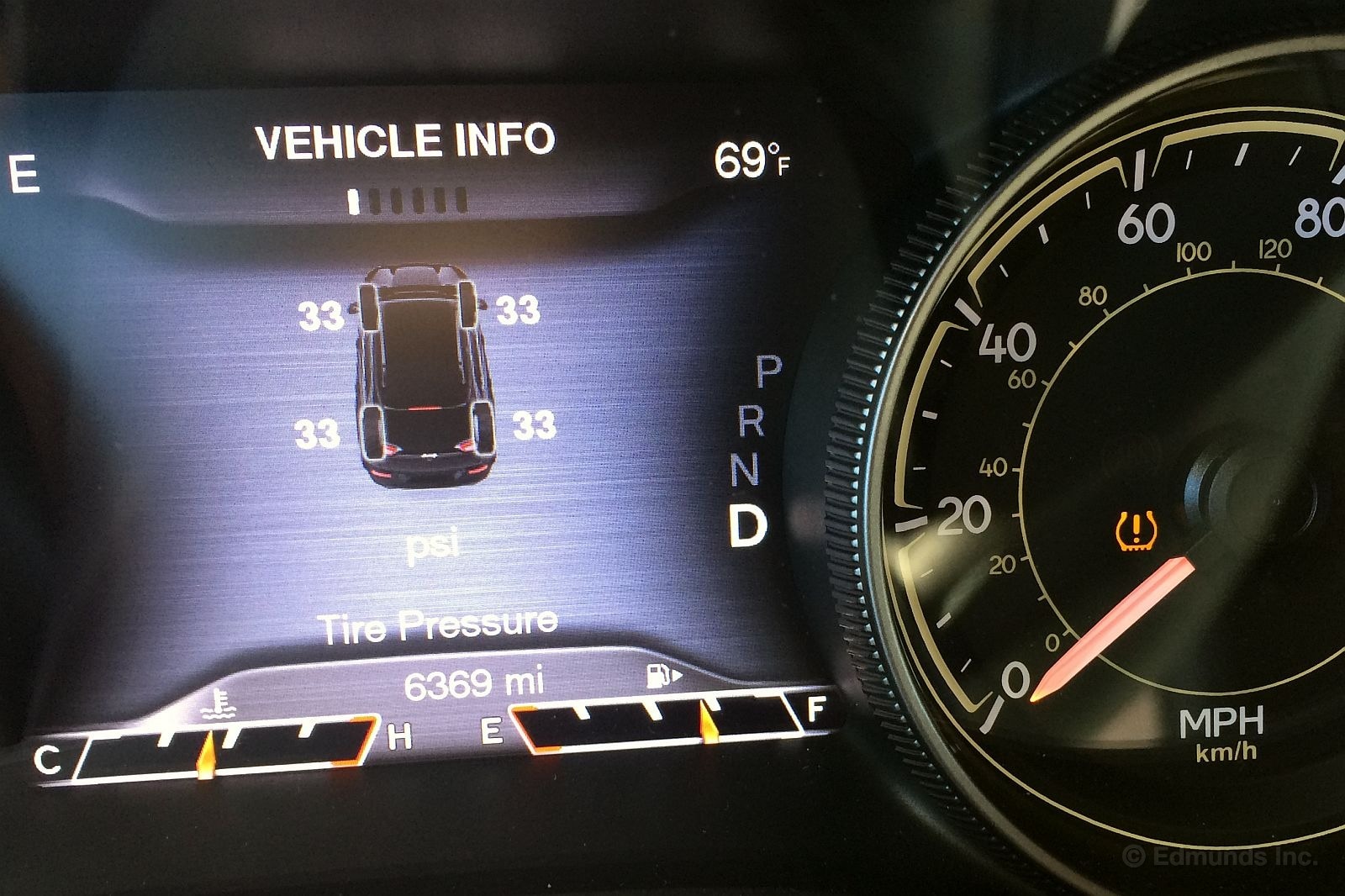
The tire pressure monitoring system alert on a vehicle's instrument cluster
Credit: Edmunds.com
When it comes to the safety and performance of your Subaru vehicle, understanding the tire pressure light is crucial. The tire pressure light, also known as the TPMS (Tire Pressure Monitoring System) light, is designed to alert you when the tire pressure in one or more of your tires is too low. Ignoring a blinking tire pressure light can lead to potential tire damage or even a blowout on the road, so it's important to address the issue promptly.
What Does A Blinking Tire Pressure Light Indicate?
A blinking tire pressure light typically indicates a more urgent issue compared to a solidly illuminated light. When you see the tire pressure light blinking, it means that there is a problem with your TPMS system. This could be due to a malfunction in the system or a slow leak in one of your tires. In either case, immediate attention is required to prevent further damage and ensure your safety on the road.
In practice, many Subaru owners discover that a blinking light at startup that then stays solid means the system is still initializing — this is normal. However, a light that blinks continuously for more than 60 seconds after starting the engine points to a genuine fault that needs diagnosis.
Common Causes Of A Blinking Tire Pressure Light
There are several common causes that can trigger a blinking tire pressure light in your Subaru vehicle:
TPMS system malfunction: If there is a malfunction in the TPMS system, it can cause the tire pressure light to blink. In this case, it's recommended to take your Subaru to the dealer or a certified technician for service and diagnosis.
Slow tire leak: Sometimes, a slow leak in one or more of your tires can also trigger the blinking tire pressure light. Even a small leak can gradually lead to low tire pressure, affecting the overall performance and safety of your vehicle. It's important to have the tires inspected and repaired as soon as possible. A common culprit is a puncture from a nail or screw that loses air gradually over several days.
Faulty TPMS sensor: Another possible cause of a blinking tire pressure light is a faulty TPMS sensor. This sensor is responsible for monitoring the tire pressure and sending signals to the TPMS system. A malfunctioning sensor can provide inaccurate readings or fail to communicate with the system altogether. Sensor batteries typically last 5–10 years, so a failing battery is a frequent cause on older Subaru models.
Temperature-related pressure drop: In colder months, tire pressure naturally drops roughly 1 PSI for every 10°F decrease in outside temperature. A sudden cold snap can briefly trigger a blinking light as the system registers the change.
If you experience a blinking tire pressure light, it's essential to address the issue promptly. Continuing to drive your Subaru with the light on can lead to potential tire damage, poor fuel efficiency, and compromised safety. It's best to consult a professional technician who can diagnose the problem and take the necessary steps to resolve it.
Understanding TPMS Sensor Types In Your Subaru
Subaru uses two main types of TPMS sensors depending on the model year and trim level. Direct TPMS sensors are mounted inside each wheel and measure actual air pressure, sending real-time data to the vehicle's computer. Indirect TPMS systems, found on some older or base models, use wheel speed sensors from the ABS system to detect pressure changes by comparing rotational differences between tires. Knowing which system your Subaru has can help narrow down the cause of a blinking light. If your vehicle uses direct sensors, a dead sensor battery will trigger the blinking light; with an indirect system, the issue is more likely a mechanical problem like tire imbalance or a genuine leak.
Safety Concerns
If you notice your Subaru tire pressure light blinking, it could indicate a problem with the TPMS system or a slow leak in your tires. While it may be safe to drive to a service center or air pump if the light just turned on, continuing to drive with the light on is not recommended as it can cause premature tire wear.
Is It Safe To Drive With A Blinking Tire Pressure Light?
If the tire pressure light in your Subaru starts blinking, you might be wondering if it is safe to continue driving. It is important to understand the potential risks associated with driving with a blinking tire pressure light to ensure your safety and the longevity of your tires.
Potential Risks Of Driving With A Blinking Tire Pressure Light
Increased tire wear: Driving with low tire pressure can result in increased tire wear. The lack of proper inflation causes the tire to wear down excessively and prematurely.
Reduced fuel efficiency: Underinflated tires contribute to reduced fuel efficiency. This means you may end up spending more on fuel costs.
Handling and braking issues: Low tire pressure affects the vehicle's stability, handling, and braking performance. It could compromise your ability to steer and stop safely.
Inadequate tire grip: Underinflated tires have reduced traction, which can be dangerous in wet or slippery road conditions. It may increase the risk of accidents, especially during sudden maneuvers.
Tire failure: Continuing to drive with low tire pressure for an extended period may result in tire failure, such as a blowout. This can lead to a loss of control over the vehicle and potentially cause accidents.
It is crucial to address any issues with your tire pressure promptly. Driving with a blinking tire pressure light should be avoided whenever possible to prevent accidents and ensure your safety on the road.
One scenario many Subaru drivers experience is a blinking light that appears only on very cold mornings but goes out after driving a few miles. This usually indicates the tires are slightly low but not critically so — the friction from driving warms the air inside, raising the pressure enough for the sensor to read normal. Still, this is a sign to add air at your earliest opportunity rather than ignoring it.
Diagnosing The Issue
If you notice your Subaru tire pressure light blinking, it could indicate a potential issue with your TPMS system. This could be due to a slow leak in the tires or a faulty TPMS sensor. It is essential to address this issue promptly to ensure your safety on the road.
How To Check The Tire Pressure
To diagnose the issue with your Subaru tire pressure light blinking, the first step is to check the tire pressure. Proper tire pressure is crucial for the safety and performance of your vehicle. Here's how you can check the tire pressure:
Start by park your Subaru on a level surface and turning off the engine.
Locate the tire pressure information label, usually located on the driver's side door jamb or inside the fuel door.
Remove the valve cap from the tire you want to check.
Insert a reliable tire pressure gauge into the valve stem and press firmly to get an accurate reading.
Compare the reading on the gauge with the recommended tire pressure stated on the information label. If the pressure is too low or too high, you will need to adjust it.
If the pressure is low, add air using an air compressor or visit a gas station with an air pump. If the pressure is high, release some air using the valve cap or a tire pressure gauge.
Repeat the process for all four tires, including the spare tire if applicable.
A common mistake is checking tire pressure when the tires are warm from driving. For the most accurate reading, check the pressure when the tires are cold — meaning the vehicle has been parked for at least three hours or driven less than a mile. The recommended PSI on your door jamb label is for cold tires.
Inspecting The TPMS Sensors
If the tire pressure of all your Subaru tires is correct, the next step is to inspect the TPMS (Tire Pressure Monitoring System) sensors. These sensors are responsible for monitoring the tire pressure and sending signals to the control module. Here's how you can inspect the TPMS sensors:
Start by visually inspecting the sensors for any visible damage or corrosion.
Ensure that the sensors are properly installed and securely mounted on each tire.
If there are no visible issues, you can try resetting the TPMS sensors using a TPMS reset tool. Refer to the vehicle's manual or consult a professional for the specific procedure.
Consulting A Professional For Further Diagnosis
If the tire pressure is correct and there are no apparent issues with the TPMS sensors, it is advisable to consult a professional for further diagnosis. Sometimes, a blinking tire pressure light could indicate a malfunction in the TPMS system that requires specialized equipment and expertise to diagnose and fix. A professional technician will be able to accurately diagnose the problem and suggest the appropriate course of action to resolve it.
If you own a newer Subaru model from 2020 or later, the TPMS system may be more sensitive to pressure changes and can alert you to variations as small as 2–3 PSI below the recommended level. Professional diagnostic tools can read each sensor's unique ID and battery status, making it much faster to pinpoint a failing unit.
Remember, it's important not to ignore a blinking tire pressure light as it could be a sign of a potential issue with your Subaru's tire pressure or TPMS system. Taking prompt action to diagnose and address the problem will help ensure your safety on the road and prevent any further damage to your vehicle.
Possible Solutions
If you find yourself with a blinking tire pressure light on your Subaru, it is essential to address the issue promptly to ensure your safety and the longevity of your vehicle's tires. Below are some possible solutions to consider:
Resetting The Tire Pressure Light
One possible solution is to reset the tire pressure light. This can be done by following these simple steps:
Start the engine and allow it to run.
Locate the TPMS reset button, typically found below the steering wheel.
Press and hold the TPMS reset button until the tire pressure light blinks three times.
Release the button and wait for the light to turn off. This indicates that the tire pressure light has been successfully reset.
Replacing Faulty TPMS Sensors
If the tire pressure light continues to blink even after resetting it, it may be due to a faulty TPMS sensor. In this case, replacing the sensor is necessary. Here's what you can do:
Consult your vehicle's owner's manual to locate the faulty TPMS sensor.
Remove the wheel to access the sensor.
Disconnect the sensor's wiring harness and remove it from the wheel.
Install the new TPMS sensor and reconnect the wiring harness.
Reinstall the wheel and ensure it is properly tightened.
When replacing a TPMS sensor, be aware that OEM Subaru sensors and aftermarket sensors may use different frequencies. Most Subaru models use a 315 MHz system, but some newer models use 433 MHz. Installing the wrong type will prevent the sensor from communicating with your vehicle. Always verify compatibility before purchasing a replacement.
Addressing Other Underlying Issues
If resetting the tire pressure light and replacing the TPMS sensors does not resolve the blinking light, there may be other underlying issues that need to be addressed. These can include:
Checking for any leaks in the tires and repairing them if necessary.
Verifying that the tires are inflated to the correct pressure according to the manufacturer's recommendations.
Ensuring that the TPMS system is properly calibrated.
Performing a diagnostic test to identify any electrical or mechanical problems within the TPMS system.
By addressing these other underlying issues, you can effectively resolve the blinking tire pressure light on your Subaru and maintain optimal tire performance and safety.
Sometimes the solution is simpler than you think — after a tire rotation, the sensors can become confused about which wheel position they are reporting. A quick relearn procedure using a TPMS tool can reassign each sensor to its correct corner, often stopping a blinking light in its tracks. This is similar to how a malfunctioning sensor in other household devices might behave, much like troubleshooting a blinking indicator on a smart thermostat.
Preventive Maintenance
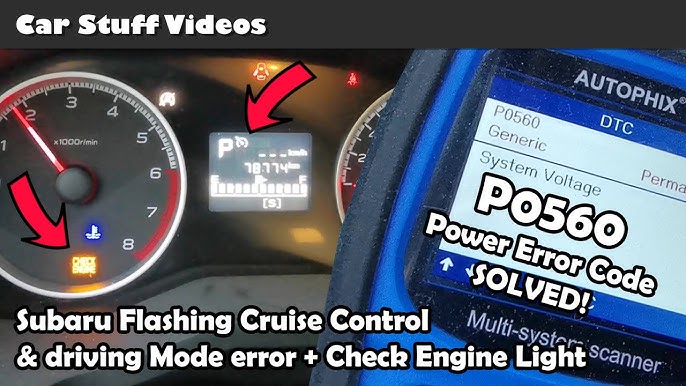
Using a tire pressure gauge to verify proper inflation on a Subaru
Credit: Youtube.com
If your Subaru tire pressure light is blinking, it could be due to a slow leak in the tires or a faulty TPMS. Driving with the light on can cause excessive and premature tire wear, so it's important to address the issue promptly.
Consider taking your vehicle to a trusted dealer for service if the light persists.
Regularly Checking And Maintaining Tire Pressure
One of the most important aspects of preventive maintenance for your Subaru is regularly checking and maintaining tire pressure. Proper tire pressure not only ensures optimal performance and handling but also contributes to fuel efficiency and overall safety on the road.
Make it a habit to check your tire pressure monthly and before any long road trip. Seasonal temperature changes in spring and fall are ideal reminders. According to the National Highway Traffic Safety Administration (NHTSA), proper tire pressure can improve fuel economy by up to 3% and extends tire life significantly.
Following Recommended Maintenance Schedules
Another crucial preventive maintenance practice is following the recommended maintenance schedules provided by Subaru. These schedules outline specific intervals for tire inspections, rotations, and replacements. By adhering to these schedules, you can prevent potential issues with your tires and avoid the blinking tire pressure light altogether.
Your Subaru's owner's manual specifies tire rotation intervals — typically every 5,000 to 6,000 miles. When tires are rotated, the TPMS sensors move to different positions, and the system must relearn each sensor's new location. A failure to perform this relearn can trigger a blinking light even with correct tire pressure. Keeping up with regular servicing from a dealer you trust, much like maintaining other critical systems such as your washer's door lock, prevents small issues from becoming bigger problems.
Importance Of Addressing Blinking Tire Pressure Light Promptly
When the tire pressure light on your Subaru starts blinking, it is important to address it promptly to prevent further complications. Ignoring the blinking light can lead to reduced tire performance, increased tire wear, and potential tire failure.
If the tire pressure light is blinking, it could indicate a slow leak in one of the tires or a malfunction in the TPMS system. Regardless of the cause, it is essential to take immediate action.
Here are a few steps you can take when you notice the blinking tire pressure light:
Step 1: Pull over to a safe location as soon as possible.
Step 2: Inspect all four tires visually for any signs of damage or low pressure.
Step 3: Use a tire pressure gauge to check the pressure of each tire individually, ensuring they meet the recommended PSI for your Subaru model.
Step 4: If you find any low pressure or signs of damage, inflate the tires to the appropriate pressure or seek professional assistance if needed.
Step 5: If all tires seem fine, there might be an issue with the TPMS system. In this case, it is recommended to bring your Subaru to a qualified dealership or auto repair shop for further diagnosis and repair.
Remember, addressing the blinking tire pressure light promptly not only ensures your safety on the road but also helps maintain the longevity of your tires and the overall performance of your Subaru.
READ MORE : Blinking Tire Pressure Light Nissan
Seasonal Tire Pressure Adjustments For Subaru Owners
Many Subaru owners drive in regions with dramatic seasonal temperature swings. Because tire pressure decreases by about 1 PSI per 10°F drop, you may need to add 3–5 PSI when moving from summer to winter temperatures. Conversely, you should release air when temperatures rise in the spring to avoid overinflation. A good rule of thumb is to check and adjust your tire pressure at the start of each season. This simple habit can prevent the blinking light from appearing due to temperature-related drops rather than an actual mechanical fault. If you live in an area with harsh winters, consider switching to winter tires, which come with their own TPMS sensors — a setup that requires a second set of sensors to avoid frequent blinking alerts.
Frequently Asked Questions
[su_accordion][su_spoiler title="Why Is My Subaru Tire Pressure Light Blinking?" open="yes" style="default" icon="plus" anchor="" anchor_in_url="no" class=""]If your Subaru tire pressure light is blinking, it could be due to a slow leak in the tires or a faulty TPMS. Check your tires for any signs of low pressure and if needed, inflate them to the recommended level.
If the light continues to blink, it is advisable to take your Subaru to a dealer for further inspection and service.[/su_spoiler] [su_spoiler title="Why Is My Tire Pressure Light Blinking When My Tires Are Fine?" open="no" style="default" icon="plus" anchor="" anchor_in_url="no" class=""]If your tire pressure light is blinking even when your tires are fine, it could be due to a slow leak or a faulty TPMS. It is recommended to check for any leaks and get your TPMS checked if the issue persists.
Driving with low tire pressure can cause excessive and premature tire wear.[/su_spoiler] [su_spoiler title="Is It Safe To Drive With A Blinking Tire Pressure Light?" open="no" style="default" icon="plus" anchor="" anchor_in_url="no" class=""]It is not safe to drive with a blinking tire pressure light. It could indicate low tire pressure or a malfunction in the TPMS system. Continuing to drive with low tire pressure can cause tire wear and potential accidents. It is recommended to check the tire pressure and get it fixed before driving.[/su_spoiler] [su_spoiler title="How Do Subaru Tire Pressure Sensors Work?" open="no" style="default" icon="plus" anchor="" anchor_in_url="no" class=""]Subaru tire pressure sensors work by monitoring the air pressure inside the tires. If the pressure is too low or too high, the sensors send a signal to the car's computer, which then alerts the driver through a blinking tire pressure light.[/su_spoiler] [su_spoiler title="Why Is My Subaru Tire Pressure Light Blinking?" open="no" style="default" icon="plus" anchor="" anchor_in_url="no" class=""]If your tires are fine, but the low tire pressure light still blinks or illuminates, it could be because of a slow leak in the tires. Sometimes, a faulty TPMS could also be a reason.[/su_spoiler] [su_spoiler title="Can extreme temperatures cause the blinking light?" open="no" style="default" icon="plus" anchor="" anchor_in_url="no" class=""]Yes. Sudden temperature drops of 20°F or more can lower tire pressure enough to trigger the blinking light even if your tires were properly inflated. This is normal, but you should still add air to bring the pressure back to the recommended level. The light should reset after driving a short distance once pressure stabilizes.[/su_spoiler] [su_spoiler title="Will the blinking light go away on its own after I add air?" open="no" style="default" icon="plus" anchor="" anchor_in_url="no" class=""]In many cases, yes — after inflating your tires to the correct pressure, the blinking light may turn solid and then go out after driving for 10–20 minutes. If it continues blinking after a full inflation and a short drive, the TPMS may need a manual reset or there could be a sensor issue.[/su_spoiler][/su_accordion]
Conclusion
A blinking tire pressure light in your Subaru is your vehicle's way of telling you something needs attention — whether it's a simple pressure adjustment, a cold-weather fluctuation, or a failing TPMS sensor. The key is to act quickly: check your tire pressure with a reliable gauge, inflate to the manufacturer's recommended PSI, and if the light persists, seek professional diagnosis. Ignoring the warning can lead to uneven tire wear, reduced fuel economy, and compromised safety on the road.
Your next step is simple: grab a tire pressure gauge, check all four tires (and your spare, if equipped) this week, and make sure they match the numbers on your driver's side door jamb. For complete peace of mind, schedule a TPMS system check with your Subaru dealer during your next service visit — it's a small investment that keeps you and your passengers safe mile after mile.
And there you have it, folks – a comprehensive guide to demystifying the blinking tire pressure light in your beloved Subaru. Remember, your safety is our top priority, so never ignore those blinking signals. If you found this article helpful or have any further questions, feel free to drop us a comment below. We're here to ensure your Subaru journey is smooth sailing, one tire pressure light at a time. Safe travels!