If the check engine light in your Honda Odyssey is flashing, it indicates a serious misfire in the engine that requires immediate attention. It is not advisable to drive for more than a few miles with a blinking check engine light.
Have the vehicle towed to a repair facility to avoid further damage or risk to yourself and others.
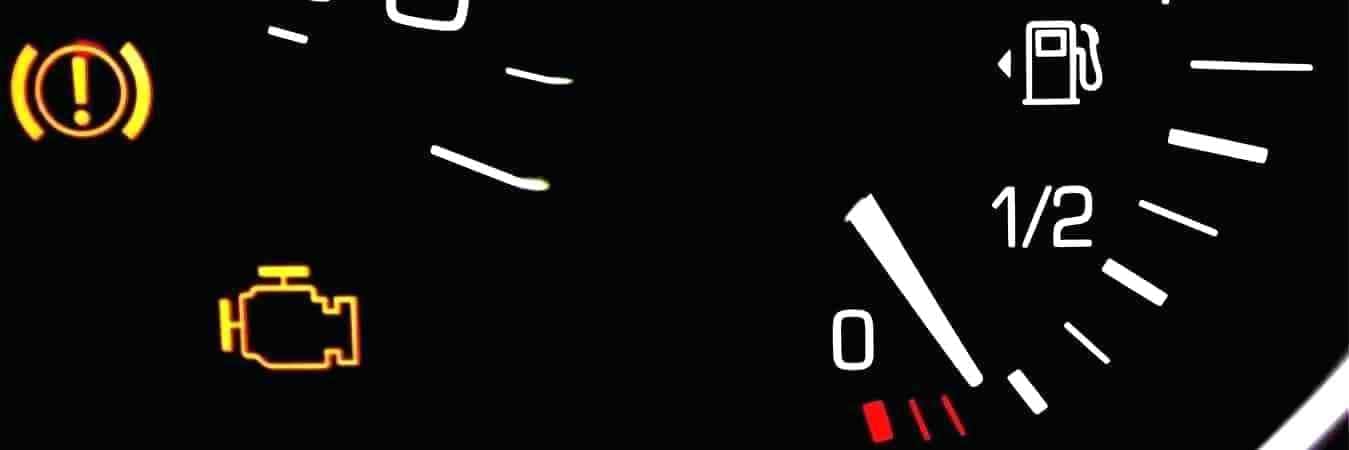
The check engine light on a Honda Odyssey dashboard — a flashing pattern signals a severe misfire, not a minor sensor issue.
Credit: www.hondaofcolumbia.com
Common Causes Of A Blinking Engine Light
If your Honda Odyssey has a blinking engine light, it could be due to a severe engine misfire, which can cause unburned fuel to be released into the exhaust system. It is important to address this issue promptly by having your vehicle inspected by a professional.
Engine Misfire
An engine misfire is one of the most common causes of a blinking engine light in a Honda Odyssey. This occurs when the air-fuel mixture in one or more cylinders fails to ignite properly. When this happens, unburned fuel is expelled into the exhaust system, which can lead to catalytic converter damage over time. A misfire can be caused by a variety of factors, including faulty spark plugs, ignition coils, or fuel injectors.
In practice, a single-cylinder misfire may feel like a subtle stumble during acceleration, while a multi-cylinder misfire often produces a pronounced shaking or vibration through the steering wheel and floorboard. Many Odyssey owners first notice the blinking light during highway merging or uphill driving when the engine is under heavy load. If you catch a misfire early — within the first few miles of the light blinking — the odds of saving the catalytic converter are significantly higher.
Faulty Spark Plugs
Faulty spark plugs are another major culprit behind a blinking engine light. Spark plugs play a crucial role in igniting the air-fuel mixture in the combustion chamber. If a spark plug is worn out or damaged, it can fail to produce a strong spark, resulting in an engine misfire. Replacing spark plugs at regular intervals is essential to ensure optimal engine performance and prevent potential issues.
A common mistake is assuming all spark plugs last the same mileage. The Honda Odyssey's V6 engine is sensitive to plug condition — using aftermarket plugs that don't match factory specifications can actually cause misfires even when the plugs appear visually fine. Stick to NGK or Denso iridium plugs as specified in your owner's manual, and consider replacing all six at once rather than just the failed cylinder.
Ignition Coils
Ignition coils are responsible for generating the high voltage needed to ignite the fuel mixture in the cylinders. If an ignition coil is faulty or malfunctioning, it can lead to a weak or inconsistent spark, causing an engine misfire. Over time, a misfiring engine can damage the catalytic converter and other engine components. Promptly replacing faulty ignition coils is crucial to prevent further damage and ensure proper engine operation.
On Honda Odyssey models from 2005 through 2025, ignition coil failure is often linked to heat exposure — the coil packs sit directly above the exhaust manifold on the front bank of cylinders. If you replace one coil, many experienced technicians recommend replacing all six as a set, since the remaining originals are likely at similar wear levels. Swapping coils between cylinders to confirm a diagnosis is a quick way to identify which one has failed without buying unnecessary parts.
Catalytic Converter Damage
Catalytic converter damage can also trigger a blinking engine light in a Honda Odyssey. When an engine misfire occurs, unburned fuel can enter the catalytic converter, causing overheating and potential damage. A damaged catalytic converter can lead to decreased engine performance, increased emissions, and even engine overheating. Regular maintenance and addressing any engine issues promptly can help prevent catalytic converter damage and preserve the health of your vehicle.

Reading diagnostic trouble codes with an OBD-II scanner is the fastest way to pinpoint which cylinder is misfiring on a Honda Odyssey.
Credit: www.amazon.com
Consequences Of Ignoring A Blinking Engine Light
Ignoring the blinking engine light on your Honda Odyssey can lead to severe consequences. It indicates a potential engine misfire, which can cause damage to the catalytic converter and other components. It is important to address the issue promptly to avoid costly repairs and ensure the safety of yourself and others on the road.
Potential Engine Damage
Ignoring a blinking engine light in your Honda Odyssey can lead to potentially serious engine damage. When the engine light is blinking, it indicates a critical issue with the engine that requires immediate attention. Continuing to drive the vehicle without addressing the underlying problem can result in severe damage to various engine components. These may include the pistons, valves, or even the entire engine block. Such damage can be costly to repair and may even require engine replacement. Therefore, it is crucial to take the blinking engine light seriously and have the vehicle checked by a qualified mechanic as soon as possible.
A less discussed but equally damaging outcome is exhaust valve burnout. When unburned fuel from a misfire passes through the exhaust port, it can ignite inside the manifold, creating localized hot spots that warp or crack exhaust valves. This type of damage often doesn't show up on a basic code read — it requires a compression test or borescope inspection to identify, and it typically means pulling the cylinder head for machining or replacement.
Reduced Fuel Efficiency
One of the consequences of ignoring a blinking engine light in your Honda Odyssey is reduced fuel efficiency. A blinking engine light often signifies a problem with the fuel system, such as a misfire or a faulty oxygen sensor. When these issues are left unresolved, they can lead to improper fuel combustion, resulting in wasted fuel. As a result, you may notice a decrease in your vehicle's fuel efficiency, meaning you'll have to fill up the tank more frequently and spend extra money on gasoline. Addressing the cause of the blinking engine light promptly can help restore your Honda Odyssey's fuel efficiency and save you money in the long run.
In real-world terms, a single-cylinder misfire can drop fuel economy by 15–25% because the engine control unit continues injecting fuel into that cylinder even though it isn't burning it. That raw fuel washes oil off the cylinder walls, accelerating wear on piston rings and bearings over time. The cost of the extra gasoline alone can exceed the price of a new set of spark plugs in just a few hundred miles.
Emission System Problems
Ignoring a blinking engine light in your Honda Odyssey can also lead to problems with the vehicle's emission system. The emission system plays a crucial role in reducing harmful pollutants released into the atmosphere. A blinking engine light often indicates a fault in the emission control system, such as a malfunctioning catalytic converter or an issue with the exhaust gas recirculation (EGR) valve. If left unresolved, these problems can result in increased emissions from your vehicle, contributing to air pollution. Additionally, a faulty emission system can cause your Honda Odyssey to fail an emissions test, leading to potential fines or penalties. Promptly addressing the underlying issue causing the blinking engine light can help ensure that your vehicle remains compliant with emission regulations and reduces its carbon footprint.
Ignoring a blinking engine light in your Honda Odyssey can have severe consequences, including potential engine damage, reduced fuel efficiency, and emission system problems. Taking the necessary steps to address the issue promptly can save you from costly repairs, improve your vehicle's fuel economy, and help protect the environment by reducing harmful emissions. Therefore, it is essential to consult a qualified mechanic and have the vehicle inspected as soon as possible when the engine light starts blinking.
Troubleshooting Steps For Quick Fixes
If you see a blinking engine light on your Honda Odyssey, it's essential to take immediate action. Ignoring it can lead to further damage. Consider having the vehicle towed to a repair facility for a quick fix rather than risking driving it.
Check Fuel Cap
If you see the blinking engine light in your Honda Odyssey, the first thing you should check is the fuel cap. A loose or improperly secured fuel cap can cause the engine light to blink. To fix this issue, simply tighten the fuel cap until you hear a clicking sound. Make sure it is securely fastened to create a proper seal.
It's worth noting that a loose gas cap typically triggers a steady check engine light, not a flashing one. A flashing light almost always points to a misfire, so if tightening the cap doesn't clear the flashing within a few start cycles, move directly to the next step — don't waste time troubleshooting a cap that is already secure.
Scan For Error Codes
Performing an error code scan is an important step in troubleshooting the blinking engine light. By using an OBD-II scanner, you can retrieve the error codes stored in the vehicle's computer system. These codes can provide valuable information about the specific issue causing the blinking engine light. Once you have the error codes, you can search online or consult a mechanic to determine the appropriate solution.
On a Honda Odyssey, the most common misfire codes are P0301 through P0306, where the last digit tells you which cylinder is misfiring (cylinder 1 through 6). If you see P0300, that means a random or multiple-cylinder misfire. Write down all codes before clearing them — sometimes a bad ignition coil will also trigger a secondary code like P0420 (catalytic converter efficiency) that can mislead you if you read it out of context. Many auto parts stores will scan your codes for free, but a cheap Bluetooth OBD-II adapter and a free smartphone app let you do this from your driveway without leaving home.
Inspect Spark Plugs
Faulty spark plugs are a common culprit behind a blinking engine light. Spark plugs play a crucial role in igniting the air-fuel mixture in the engine cylinders. Over time, spark plugs can wear out and cause misfires, leading to the blinking engine light. Inspect the spark plugs for wear, damage, or buildup. If necessary, replace them with new ones recommended by the vehicle's manufacturer.
When inspecting spark plugs on a Honda Odyssey, look for these telltale signs: electrode erosion (rounded edges instead of sharp square edges), heavy black carbon fouling (indicates a rich fuel mixture or oil burning), or a white, blistered insulator tip (signals pre-ignition from overheating). The Odyssey's rear bank of three cylinders is tucked against the firewall and harder to reach — if you're not comfortable removing the intake manifold cover and using extensions, consider having a shop do the rear plugs while you handle the easier front bank yourself.
Check Ignition Coils
The ignition coils in your Honda Odyssey are responsible for generating the high voltage needed to ignite the spark plugs. If the ignition coils are faulty or malfunctioning, they can cause misfires and trigger the blinking engine light. Use a multimeter to test the resistance of each ignition coil. If any of them show abnormal readings, replace the faulty ignition coil to resolve the issue.
A quick, no-tool test: swap the suspected coil with a coil from a different cylinder that has no misfire code. Clear the codes and restart the engine. If the misfire code moves to the new cylinder, you've confirmed the coil is bad. If the code stays on the original cylinder, the problem is likely the spark plug, fuel injector, or a compression issue instead. This swap test works on every Odyssey from 1999 through 2025 and can save you from buying unnecessary parts.
Examine Catalytic Converter
The catalytic converter is an important component of the exhaust system that helps reduce harmful emissions. A malfunctioning catalytic converter can trigger the blinking engine light. Inspect the catalytic converter for any signs of damage, such as leaks or cracks. Additionally, check for any unusual smells or noises coming from the exhaust system. If you suspect a faulty catalytic converter, it is recommended to consult a professional technician for further diagnosis and repair.
One early indicator of catalytic converter trouble is a rotten-egg smell (hydrogen sulfide) from the exhaust, especially after a misfire has occurred. You can also perform a simple temperature test: after the engine has been running for 10 minutes, use an infrared thermometer to check the temperature of the converter inlet versus the outlet. A healthy converter will be about 100°F hotter at the outlet. If the outlet is cooler than the inlet, the converter is likely clogged and needs professional evaluation. Always fix the underlying misfire first — installing a new converter on an engine that's still misfiring will destroy the replacement in short order.
The front bank of a Honda Odyssey V6 showing ignition coils — the rear bank is behind the intake manifold and requires more disassembly to access.
Credit: m.youtube.com
When To Seek Professional Help
If you notice your Honda Odyssey's engine light blinking, it is crucial to seek professional help promptly. Ignoring the issue may result in severe engine misfires and potential damage to the catalytic converter. It is advisable to have the vehicle towed to a repair facility to avoid further risks.
Persistent Blinking Engine Light
If you notice that your Honda Odyssey's engine light continues to blink even after you have checked and resolved any minor issues, it may be time to seek professional help. The persistent blinking of the engine light could indicate a more significant problem that requires the expertise of a trained mechanic. Ignoring this warning could potentially lead to further damage to your vehicle.
Lack Of Technical Knowledge
Trying to diagnose and fix complex engine issues on your own can be challenging, especially if you lack the technical knowledge and expertise. The engine is a complex system that requires specialized skills to troubleshoot and repair. If you are unfamiliar with the intricacies of your Honda Odyssey's engine, seeking professional help is the safest and most efficient option.
Complex Diagnostic Procedures
When it comes to diagnosing engine-related problems, modern vehicles, including the Honda Odyssey, often require complex diagnostic procedures. These procedures involve the use of specialized tools and equipment that are typically only available in professional repair shops. Professional mechanics have the knowledge and experience to conduct comprehensive diagnostics to pinpoint the exact cause of the blinking engine light accurately.
In conclusion, if your Honda Odyssey's engine light persists in blinking, it is essential to seek professional help. Professional mechanics have the technical knowledge and expertise to diagnose and fix complex engine issues efficiently. Ignoring a persistent blinking engine light can lead to further damage to your vehicle, so it is best to have the issue addressed promptly.
Preventive Maintenance Tips To Avoid A Blinking Engine Light
Regular maintenance is essential for keeping your Honda Odyssey running smoothly and preventing issues such as a blinking engine light. By following these preventive maintenance tips, you can minimize the risk of encountering engine problems:
Regular Oil Changes
Regular oil changes are crucial for maintaining the health of your engine. It is recommended to change your engine oil every 5,000 to 7,500 miles or as per the manufacturer's instructions. Fresh oil helps lubricate the internal components of the engine, reducing friction and preventing excessive wear and tear.
Scheduled Tune-ups
Scheduling regular tune-ups with a qualified mechanic ensures that your Honda Odyssey's engine is in top condition. During a tune-up, the ignition system will be inspected and adjusted, and any necessary maintenance, such as replacing spark plugs and filters, will be performed. This helps improve fuel efficiency and keeps the engine running smoothly.
Use Quality Fuel
Using high-quality fuel is essential for the proper functioning of your engine. Opt for fuel from reputable gas stations that meet the recommended standards. Avoid using low-quality or contaminated fuel, as it can lead to engine problems and trigger the blinking engine light.
Properly Maintain Spark Plugs
Your Honda Odyssey's spark plugs play a vital role in igniting the fuel mixture in the combustion chamber. Over time, deposits can accumulate on the spark plugs, affecting their performance. Regularly inspect and clean or replace the spark plugs as needed to ensure proper combustion and prevent misfires that can trigger the blinking engine light.
Keep Ignition System Clean
The ignition system includes components such as the ignition coils and wires, which are responsible for delivering the electrical charge to the spark plugs. Regular maintenance and cleaning of these components can ensure a consistent spark and prevent engine misfires. Inspect the ignition system regularly and clean any dirt or debris that may affect its performance.
By following these preventive maintenance tips, you can keep your Honda Odyssey's engine healthy and minimize the risk of encountering a blinking engine light. Regular oil changes, scheduled tune-ups, using quality fuel, proper spark plug maintenance, and keeping the ignition system clean are simple yet effective ways to maintain the performance and longevity of your vehicle.
Understanding Diagnostic Trouble Codes For Honda Odyssey Misfires
When the check engine light flashes on your Odyssey, the engine control unit stores a specific diagnostic trouble code (DTC) that tells you exactly where the problem is. Learning to interpret these codes can save you hours of guesswork and unnecessary repairs.
Reading P0300–P0306 Codes
The most relevant codes for a blinking engine light begin with P0300:
- P0300 – Random or multiple cylinder misfire detected
- P0301 – Cylinder 1 misfire
- P0302 – Cylinder 2 misfire
- P0303 – Cylinder 3 misfire
- P0304 – Cylinder 4 misfire
- P0305 – Cylinder 5 misfire
- P0306 – Cylinder 6 misfire
On the Honda Odyssey's J35 V6 engine, cylinders are numbered 1-3 on the front bank (closest to the radiator) and 4-6 on the rear bank (against the firewall). If you get a P0300 code, the misfire is moving between cylinders or affecting multiple cylinders at once — this often points to a fuel delivery issue (clogged injector, failing fuel pump) or a vacuum leak rather than a single spark plug or coil failure.
Other Codes That May Accompany A Misfire
A blinking engine light sometimes triggers secondary codes that can distract you from the root cause. Common companion codes include:
- P0420 – Catalyst system efficiency below threshold (bank 1)
- P0430 – Catalyst system efficiency below threshold (bank 2)
- P0171/P0174 – System too lean (bank 1 / bank 2)
- P0300 with P2195/P2197 – Oxygen sensor signal stuck lean
A simple rule: always fix the misfire codes first, then clear all codes and drive the vehicle for 50–100 miles before re-evaluating a P0420 or P0430 code. Many times, the catalytic converter code disappears once the misfire is resolved and unburned fuel stops entering the exhaust system.
Comparison Table: Common Honda Odyssey Misfire Causes At A Glance
| Symptom | Most Likely Cause | Typical Repair Cost (Parts + Labor) | DIY Difficulty |
|---|---|---|---|
| Single cylinder misfire, code P0301–P0306 | Faulty ignition coil or worn spark plug | $80–$200 per cylinder | Moderate (front bank) / Hard (rear bank) |
| Multiple cylinder misfire, code P0300 | Vacuum leak, fuel pressure issue, or PCM fault | $150–$600+ depending on root cause | Hard – requires smoke test or fuel pressure gauge |
| Misfire only when engine is cold | Worn spark plugs or carbon buildup on valves | $120–$400 | Moderate |
| Misfire during acceleration uphill | Weak fuel pump, clogged fuel filter, or bad coil under load | $200–$800 | Hard – fuel system work typically needs a shop |
| Misfire with rotten-egg smell | Catalytic converter damage from raw fuel | $800–$2,200 | Professional only – exhaust work and welding |
Use this table to narrow down whether your situation is a straightforward spark plug swap or something that warrants a professional diagnostic appointment. If the blinking light came on after a hard rain or a car wash, moisture in the spark plug wells is a known issue on the Odyssey — drying the wells with compressed air and applying dielectric grease can clear the misfire without replacing any parts.
Frequently Asked Questions Of Honda Odyssey Blinking Engine Light
Can I Drive My Car With The Check Engine Light Blinking?
It is generally not advisable to drive for more than a few miles with a blinking check engine light. The severity of the problem can vary, so it's best to have the vehicle towed to a repair facility to avoid putting yourself or others at risk.
Why Is My Honda Check Engine Light Flashing?
When your Honda check engine light starts flashing, it indicates a severe engine misfire. This can lead to unburned fuel being released into the exhaust system. It is not recommended to drive for long distances with a flashing check engine light.
It's best to have your vehicle towed to a repair facility to avoid potential risks.
What Causes A Honda Odyssey To Misfire?
A Honda Odyssey misfires when there is a problem with the engine, such as a bad spark plug, ignition coil, or wiring. This causes unburned fuel to be released into the exhaust system, leading to a flashing check engine light and shaking of the car.
It is important to address this issue promptly to avoid further damage.
Why Is My Car Shaking And Engine Light Flashing?
If your car is shaking and the engine light is flashing, it indicates a severe issue with your emissions system. The shaking is likely due to a misfire, which is caused by faulty spark plugs, ignition coils, or wiring. It's crucial to address the problem promptly and avoid driving for long distances to prevent further damage or risks.
Q: Why Is My Honda Odyssey Check Engine Light Blinking?
A: The blinking check engine light indicates a severe engine misfire, requiring immediate attention to prevent damage to the exhaust system.
How Much Does It Cost To Fix A Blinking Engine Light On A Honda Odyssey?
The cost varies widely depending on the root cause. A single spark plug replacement might run $20–$40 in parts if you do it yourself, while a full set of six plugs and six ignition coils at a shop typically costs $600–$1,200. If the catalytic converter has already been damaged by prolonged misfiring, you're looking at $800–$2,200 for replacement. The smartest money you can spend is the diagnostic fee ($100–$180 at most independent shops) to get an accurate diagnosis before buying any parts. If the problem is simply moisture in the spark plug wells, the fix is free with a rag and compressed air.
Will A Blinking Engine Light Clear Itself?
No — a blinking check engine light will not reset on its own. The flashing pattern means a misfire is actively occurring, and the engine control unit will continue to flash the light as long as the misfire is detected. Even if the misfire stops temporarily, the light may remain on solid (not blinking) until the issue is resolved and the codes are cleared either with a scanner or after 40–60 warm-up cycles without a recurrence. Never assume a blinking light that stops blinking means the problem is fixed — it likely means the catalytic converter has now become saturated with unburned fuel and the misfire has temporarily subsided due to changed driving conditions.
Can Bad Gas Cause A Blinking Engine Light?
Yes, contaminated or low-octane fuel can cause a misfire that triggers a blinking engine light. Water in the fuel, excess ethanol content, or simply using fuel below the recommended 87 octane rating can cause incomplete combustion. If your Odyssey starts blinking shortly after filling up at a station you don't normally use, try adding a bottle of fuel system cleaner and filling the tank with top-tier gasoline from a known brand. If the blinking stops within 20–30 miles of driving, bad fuel was likely the culprit. However, if the blinking persists, the contamination may have damaged a fuel injector or fouled the spark plugs, requiring replacement.
Conclusion
If the check engine light on your Honda Odyssey is blinking, it is crucial to address the problem promptly. Ignoring a flashing check engine light can lead to severe engine misfires and potential damage. While there is no set time limit for driving with a blinking light, it is generally recommended to have the vehicle towed to a repair facility rather than risking further issues on the road.
Stay proactive and prioritize the health of your vehicle by addressing a blinking engine light as soon as possible. Start with a simple OBD-II scan to confirm which cylinder is misfiring, then work through the common causes — spark plugs, ignition coils, and fuel delivery — before moving on to more complex diagnostics. If you're unsure at any step, a professional mechanic's diagnostic fee is a small price compared to the cost of a new catalytic converter or engine damage. Keep your Odyssey running reliably by sticking to the maintenance schedule outlined here, and you'll minimize the chance of seeing that blinking light again.